When we honor the brave men and women who served in uniform, we celebrate a legacy that transcends time. The tradition of recognizing veterans connects us to deep historical roots that have shaped nations. Their journeys after service reveal unique challenges and triumphs, particularly in accessing medical and healthcare support systems designed for their needs.
Many pursue new paths through education and employment opportunities specifically tailored for former service members. The presence of veterans in the community enriches civic life, while international parallels show how various cultures pay tribute to military service. Behind each veteran stands a network of family and caregivers who share in both the pride and challenges. This network extends through community outreach programs that honor their sacrifice.
The Significance of Honoring Veterans
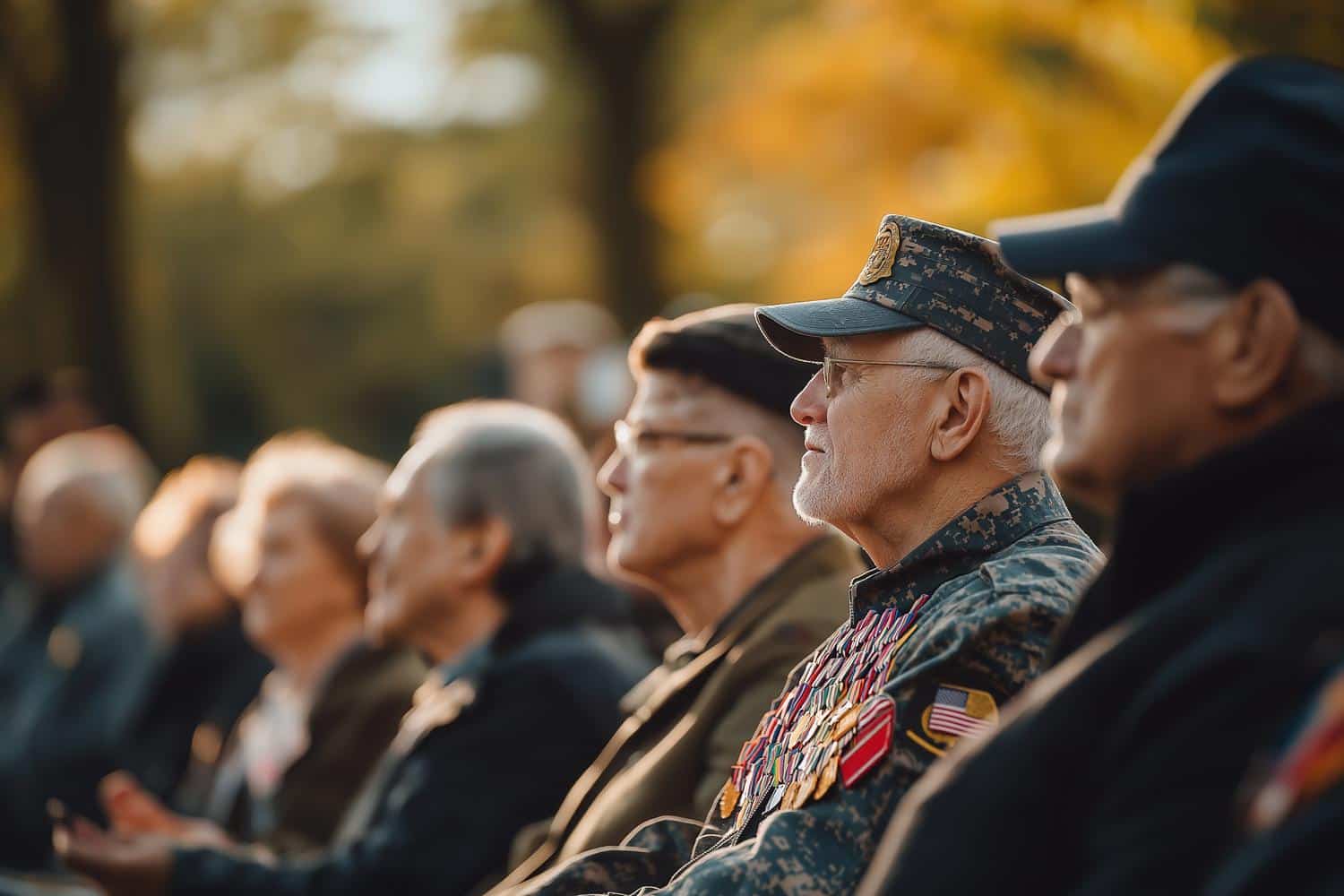
Across America, the practice of paying tribute to veterans stands as a testament to their bravery and dedication. This acknowledgment goes beyond simple praise, encompassing a deep gratitude expression that resonates throughout communities. Veterans carry the weight of their experiences, having performed their military sacrifice with unwavering commitment. Through ceremonies, memorials, and personal thanks, society demonstrates service recognition that validates veterans’ contributions. Their unwavering sense of duty deserves this recognition, which helps heal invisible wounds while inspiring patriotic values in younger Americans.
When communities gather to honor those who served, they create powerful connections to shared heritage and national identity. These celebrations foster appreciation for freedoms secured through military service and sacrifice. Public recognition strengthens veterans’ sense of belonging and purpose after returning to civilian life. Here are meaningful ways to honor veterans:
- Attending memorial ceremonies and community events dedicated to veterans
- Volunteering at VA hospitals or veteran support organizations
- Supporting businesses owned by former service members
- Preserving and sharing veterans’ stories for future generations
- Creating care packages for deployed troops and veterans in need
Historical Roots and Evolution
The roots of veteran recognition trace back to the aftermath of World War I when Armistice Day first emerged as a day of remembrance. This observance began on November 11, 1919, marking the anniversary of the ceasefire agreement that silenced the guns of the Great War. As decades passed, the historical background of this observance deepened with each generation of service members. What started as a day to honor World War I veterans expanded to encompass all who wore the uniform, reflecting changing national priorities and values.
The evolution from Armistice Day to Veterans Day marks a significant change in how nations remember their heroes, reflecting broader recognition and respect for all who have served.
This transformation represents more than a name change, showing how commemorative traditions adapt to honor new generations of veterans. The timeline changes from 1919 to 1954, when Veterans Day was officially established in the United States, demonstrate an evolving national consciousness about military service. These observances continue to develop, incorporating diverse perspectives while maintaining reverence for sacrifice and service across all branches and eras of military history.
Different Forms of Recognition
Recognizing veterans extends beyond verbal praise into tangible actions that honor their service. Veterans receive acknowledgment through various public platforms where their bravery and contributions take center stage. These events frequently feature medal presentations as concrete symbols of their valor. Such recognition creates spaces where communities gather to express collective gratitude, fostering deeper public awareness about military service.
Beyond formal ceremonies, veterans are honored through official parades that showcase national pride and veteran courage. These events attract widespread participation and media coverage. Many communities also establish dedicated memorials that offer permanent spaces for remembrance. These structures serve as educational landmarks that remind future generations about the ceremonial tributes paid to those who secured their freedoms through military service.
Veterans in the Community
Many veterans continue their service ethos within civilian life after military careers conclude. They bring valuable skills and discipline to civic projects, applying their unique expertise to solve local challenges. Through active local engagement, they help develop stronger neighborhoods while demonstrating the values of service and dedication that characterize military training.
The presence of veterans enriches community fabric through various neighborhood initiatives they either lead or support. Veterans frequently build support networks that provide assistance for both personal and professional challenges. The bonds formed within these groups strengthen community ties and ease transition to civilian life, reflecting the same camaraderie that defined their military experience.
Key Legislative Actions
Over the years, lawmakers have passed measures to honor and serve those who defended our nation. These measures cover everything from medical care to housing, acknowledging the sacrifices made by service members. The government established numerous healthcare benefits through specialized programs tailored to address unique veteran needs, from combat injuries to long-term conditions.
Many federal laws passed since the post-WWII era have transformed veteran support systems nationwide. Recent policy reforms have addressed gaps in existing frameworks while creating more accessible pathways to assistance. Veterans now receive enhanced VA support through streamlined processes and expanded eligibility criteria for various programs. Key legislative milestones include:
- Honoring Our PACT Act – Enhancing healthcare for veterans exposed to toxic substances.
- Fred Hamilton Veterans’ Lost Records Act – Easing access to VA benefits for veterans with lost records.
- Veteran Caregiver RRR Act – Supporting caregivers with opportunities for rehabilitation and employment.
Family and Caregiver Roles
Behind every veteran stands a network of support that goes beyond government programs. These networks consist of spouses, children, parents, and friends who provide daily assistance and companionship. The transition from military to civilian life affects the whole family, requiring adjustments and creating situations where emotional well-being becomes a shared responsibility among all household members.
Many families develop systems of mutual aid that complement official services, filling gaps where institutional support ends. Professional caregiver assistance programs now recognize the challenges faced by those who look after veterans with physical disabilities or psychological trauma. Organizations dedicated to family support offer workshops, counseling, and peer networks to address the unique challenges faced by those who care for former service members. The table below outlines available resources:
| Program | Description | Impact |
|---|---|---|
| Caregivers Support Program | Offers training and resources for caregivers of veterans. | Enhances caregiver skills and reduces emotional stress. |
| Family Support Program | Provides financial and logistical support to families of veterans. | Alleviates financial burdens and supports family stability. |
| Respite Care | Gives caregivers a break by providing temporary care solutions. | Prevents caregiver burnout and promotes overall well-being. |
Medical and Healthcare Support
Veterans returning from service face unique health challenges requiring comprehensive care systems. Many find relief through programs offering specialized clinics where their specific needs receive attention from practitioners familiar with military-related conditions. These facilities work alongside traditional healthcare providers to ensure veterans receive treatment addressing both visible injuries and invisible wounds. The Department of Veterans Affairs continues expanding access to mental health resources nationwide.
Honoring our commitment to veterans means providing them with comprehensive healthcare tailored to their specific needs.
Beyond immediate treatment, long-term recovery remains a cornerstone of veteran healthcare philosophy. Veterans benefit from rehabilitation services designed to restore function and independence following service-related injuries. These programs combine physical therapy, occupational training, and adaptive technologies to maximize recovery potential. The push toward integrated care models allows veterans to receive coordinated treatment across multiple specialties without navigating fragmented systems.
Education and Employment Opportunities
Veterans transitioning to civilian life discover numerous educational pathways funded through the GI Bill, which covers tuition costs at thousands of institutions nationwide. This benefit opens doors to academic degrees, certifications, and apprenticeships that build upon military experience. Schools across America have established veteran support offices helping former service members adapt to campus life and academic requirements.
The transition from military to civilian work environments presents both challenges and opportunities for veterans seeking new career paths. Many corporations have developed veteran hiring initiatives recognizing the value of military experience and leadership skills. Former service members can access vocational training programs specifically designed to translate military expertise into civilian qualifications. Organizations dedicated to veteran employment help facilitate skill transition through resume writing workshops, interview preparation, and networking events connecting veterans with potential employers.
Community Outreach and Volunteer Programs
Across America, communities build bridges between civilians and veterans through various support systems. Local organizations host annual partnership events connecting veterans with needed resources while fostering meaningful connections. These gatherings range from job fairs to health screenings, addressing practical needs while honoring service. Veterans benefit tremendously when communities rally around their unique challenges.
Beyond one-time gatherings, many regions develop year-round outreach campaigns tailored to veteran populations. These campaigns work alongside charitable initiatives that provide everything from housing assistance to mental health resources. Success depends largely on effective volunteer coordination – matching civilian skills with veteran needs creates sustainable support networks that transform lives. When properly organized, these community efforts create lasting positive impacts that extend far beyond the veterans themselves.
International Parallels
Veterans receive recognition worldwide, with numerous allied countries developing their own traditions of gratitude and support. Nations share common values about military service while adapting recognition practices to their unique historical contexts. Veterans’ experiences transcend borders, creating opportunities for international cooperation in addressing shared challenges among former service members.
Throughout November, many nations hold solemn remembrance ceremonies that reflect cultural similarities in how military sacrifice is honored. Despite geographic distances, common themes of respect and gratitude emerge across different countries’ approaches to veteran recognition. The red poppy tradition stands as perhaps the most recognized international symbol, originating from World War I battlefields in Flanders and now adorning lapels from London to Sydney each November. These shared symbols help create a global community of remembrance that preserves military legacy across generations.
Sharing Stories and Oral History
Veterans who share their experiences contribute to a rich tapestry that forms our historical record of military service. These accounts capture raw emotions and lived realities that textbooks alone cannot convey, while simultaneously serving as powerful educational tools for younger generations. When documented properly, these firsthand accounts ensure that sacrifices are remembered and valued by society long after veterans have passed.
Oral history projects give veterans a platform to tell their stories authentically, which helps with legacy preservation for families and communities alike. The act of recording personal narratives honors their service while adding depth to our collective memory. These storytelling initiatives foster meaningful intergenerational dialogue between veterans and youth, creating connections that transcend time and build mutual respect across age groups.
Reflecting on Continued Support
Nations demonstrate their values through how they treat those who served in uniform after their return to civilian life. This reflection demands honest assessment of how well we fulfill our ongoing commitment to veterans’ needs. When communities prioritize veteran welfare, they reinforce a sense of national pride that acknowledges military service as worthy of lasting recognition.
Effective support systems require thoughtful resource allocation across healthcare, housing, education, and employment programs. Beyond formal benefits, communities show collective gratitude through inclusive practices that welcome veterans into civic life. The most meaningful recognition comes through sustained action rather than symbolic gestures, ensuring veterans receive tangible support throughout their lives after service.