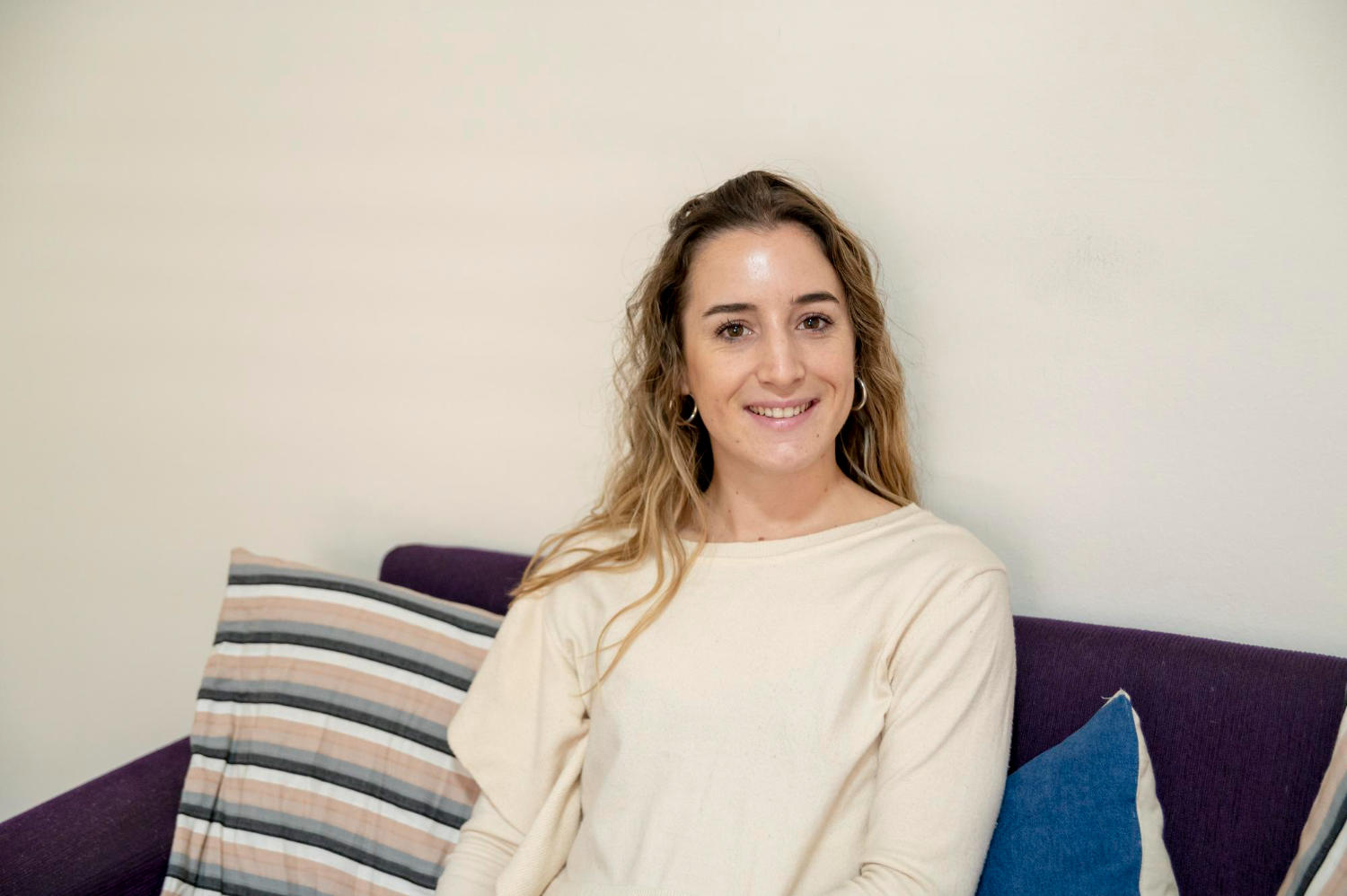
Emily is 35 and has swapped a newsroom badge for a van stocked with disinfectant, sutures, and quiet. Her story trails the wave of career reboots chasing meaning under pressure, and steady pay.
The path is far from glamorous, with roughly 295 hours of training and a selective national exam before a license. Inside the funeral profession, days stretch into nights, with callouts, transport, and careful prep that rarely make headlines. Pay varies by city and experience, and a realistic mortician salary tends to sit below $6,000 a month unless overtime stacks up. Not a windfall.
From newsroom to mortuary: Emily’s unconventional career pivot
Emily, 35, left the newsroom for the mortuary and did not look back. Years of reporting and production gave her poise under pressure. That foundation, rooted in a strong journalism background she now translates to clear, empathetic conversations with grieving families, made the pivot feel grounded.
Before embalming tables, her workweek was on tour buses and backstages. Planning routes, crews, and schedules taught operational discipline; the same mindset, sharpened by complex touring logistics she learned to juggle, helps her coordinate removals, paperwork, and timing so families see competence and calm when they need it.
Inside the training path from 295 hours to a selective national exam
Training was structured and narrow in scope. She completed 295 training hours that combined anatomy, infection control, restorative arts, and detailed embalming coursework under faculty oversight, building technical habits through repetition and checklists that later made real cases safer.
Admission and licensing raised the bar. She sat for the national board exam, then logged months in a supervised practicum performing embalming, removals, and documentation under a preceptor, proving she could apply standards outside the classroom.
What a day looks like on the road in funeral care
Emily, 35, starts her day with calls from funeral homes, hospitals, and family directors. She checks licenses and consent forms, loads her instruments, and drives to the first prep room. After arrival, her mobile embalming work brings her into varied facilities and timelines.
Some days mean several transfers, PPE changes, and hours on the road. She adapts to refrigeration limits, family rituals, and the tight choreography of clergy and staff. When temperatures drop, the winter caseload can swell, shifting travel routes and prep times to meet viewings and private farewells.
The craft of presentation in embalming, reconstruction, and respect
Preparation begins with identification checks, sanitation, and setting the body on the table. Circulation is opened, then an arterial fluid injection is performed with calibrated pressure to distribute preservative and color throughout tissues.
Emily sets features gently, aligning eyelids and lips, then washes, dries, and dresses as families request. Trauma or decomposition can be softened through careful tissue reconstruction, while nuanced cosmetic selection balances undertones, lighting, and the desired reminiscence for a viewing or private visitation. Consent forms list jewelry, hair, and clothing preferences, and respect guides each motion from the prep room to the chapel.
The emotional toll and the boundaries that keep her steady
Emily, 35, admits some calls weigh heavily before she even picks up the keys. She still remembers her first child embalming, and how training in professional detachment steadied her hands while her mind kept circling back to the family in the chapel.
Your body notices the cold, the weight of gear, and the stillness that follows a case. To reset, she relies on small coping routines like a walk, a hot meal, and firm off-duty boundaries that protect sleep, relationships, and the simple habit of leaving work at the door.
“Do not bring your dead home. And above all, keep a life outside of work.”
Emily, mortician
The paycheck reality in funeral work versus the $6,000 myth
Job listings promise roughly $6,000 a month, and readers assume that is what lands in a mortician’s bank account. In practice, contracted technicians see a gap between the family’s bill and their share, the classic invoice versus payout that shrinks further with taxes and gear costs.
Emily tells you the first year feels lean, because hours fluctuate and nights are part of the deal. Her reality is guided by entry-level net pay rather than rosy ads, with earnings tied to call volume, travel, and how many treatments a funeral home actually books.